
The Enduring Titans: A Modern Look at .NET and PHP in Today’s Web Development Arena
In the diverse ecosystem of web development, .NET (primarily C#) and PHP stand as two enduring, powerful, but fundamentally different pillars. .NET, Microsoft’s robust, type-safe framework, excels in building scalable enterprise applications and modern cloud-native APIs. PHP, the ubiquitous scripting language of the web, powers a massive portion of the internet with its flexibility and vast CMS ecosystems like WordPress. Choosing between them is less about which is “better” and more about aligning the right tool with the project’s goals, team expertise, and long-term vision.
The debate between .NET and PHP for web development is one of the industry’s longest-running conversations. While new frameworks and languages constantly emerge, these two veterans have evolved remarkably, adapting to modern demands and maintaining massive relevance. Understanding their current state is crucial for making an informed architectural decision.
The .NET Ecosystem: The Enterprise-Grade Powerhouse
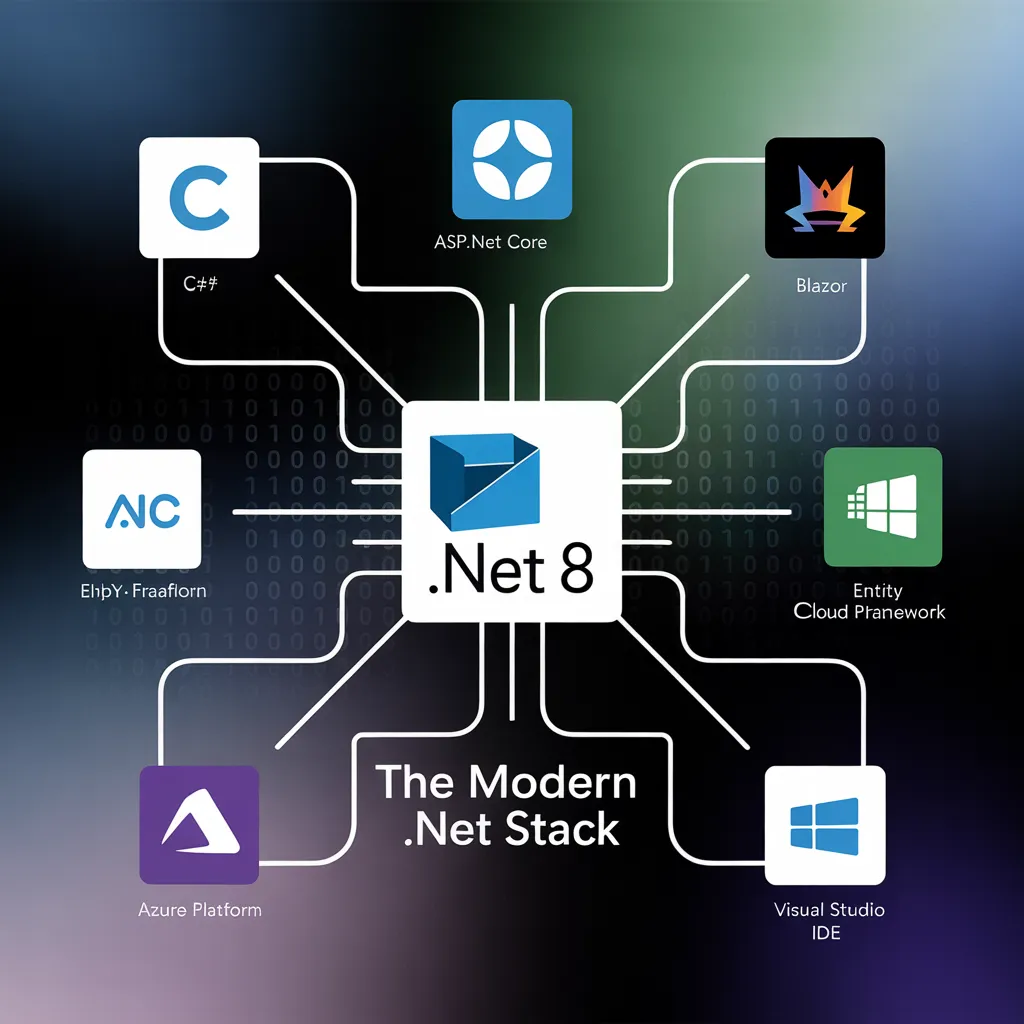
.NET (Core 5+ / .NET 6, 7, 8+) has undergone a renaissance. No longer just a Windows-centric platform, it’s now a cross-platform, open-source, and high-performance framework led by Microsoft.
Core Strengths:
Performance & Scalability: Compiled C# code runs on a highly optimized runtime, making it exceptional for high-traffic APIs, microservices, and data-intensive applications.
Strict Typing & Architecture: Strongly-typed languages (C#) and opinionated frameworks (like ASP.NET Core) enforce clean code patterns, reducing runtime errors and making large, complex enterprise applications more maintainable.
Modern Cloud-Native Focus: First-class support for Docker, Kubernetes, and Azure (while remaining cloud-agnostic) makes it ideal for modern DevOps and scalable cloud architectures.
Unified Stack: The ability to use C# and .NET for backend APIs, server-side rendering (Blazor), mobile apps (MAUI), and even desktop applications reduces context switching for developers.
Ideal Use Cases: Enterprise-level web applications, complex SaaS platforms, high-frequency financial services, real-time applications, internal line-of-business apps, and modern RESTful/gRPC APIs.
The PHP Universe: The Web’s Agile Workhorse
PHP 8+ is a dramatically modernized language, shedding its early criticisms. It remains the backbone of the open web, largely due to its simplicity and dominant content management systems.
Core Strengths:
Ubiquity and Hosting: Nearly every web hosting provider in the world supports PHP. Deployment is often as simple as uploading files. This low barrier to entry is still a massive advantage.
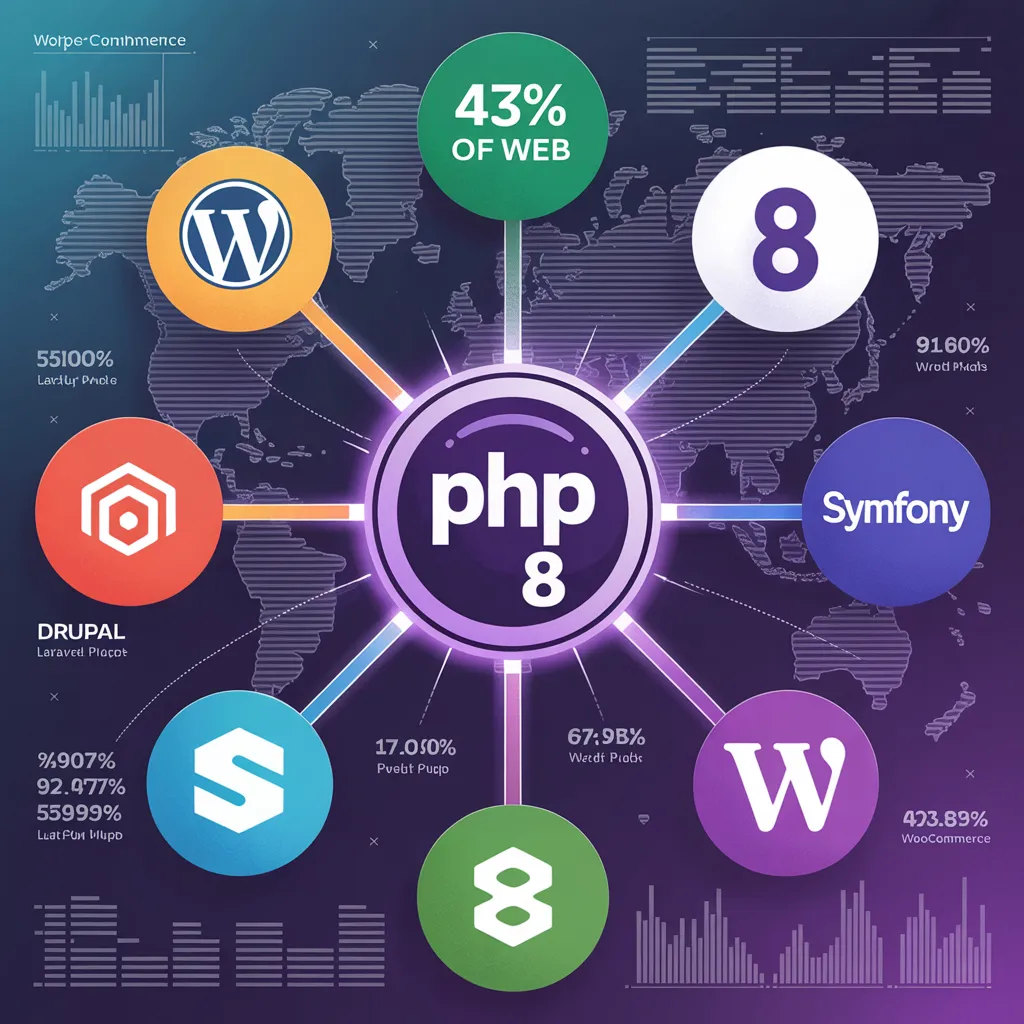
CMS and E-commerce Dominance: WordPress (powers ~43% of all websites), Drupal, and Magento/Adobe Commerce (e-commerce) are PHP-based. For many projects, these platforms are the requirement, making PHP the default choice.
Developer Velocity & Flexibility: The loosely-typed nature and vast ecosystem of libraries (via Composer) allow for rapid prototyping and development. Modern frameworks like Laravel and Symfony provide elegant, structured approaches that rival any other ecosystem in productivity and developer experience.
Massive Community & Resources: An unparalleled wealth of tutorials, plugins, themes, and freelance developers exists due to PHP’s longevity and market share.
Ideal Use Cases: Content-driven websites, blogs, marketing sites, WordPress/WooCommerce stores, mid-scale web applications, rapid MVP development, and projects with budget or hosting constraints.
Head-to-Head in the Modern Context:
Performance: Modern .NET generally has a raw performance edge, especially in compute-heavy tasks. However, with PHP 8’s JIT compiler and proper caching (OPcache), well-architected PHP applications are more than performant enough for the vast majority of web workloads.
Developer Experience: .NET offers exceptional tooling through Visual Studio/VS Code and deep debugging. PHP, with frameworks like Laravel, offers a wonderfully expressive syntax and a focus on developer happiness. Both are excellent.
Cost: PHP traditionally wins on upfront cost (free hosting, open-source). .NET’s licensing is now largely free and open-source, but enterprise-grade hosting and Microsoft tooling can increase costs. The true TCO often shifts toward development and maintenance salaries, where architectural fit matters most.
Security: Both are highly secure when properly implemented. Security is more a function of developer practice and framework use than the language itself. Both .NET Core and modern PHP frameworks provide robust, built-in security features.
The Verdict: A Matter of Project DNA
The choice isn’t binary. Many organizations use both: PHP/WordPress for their public-facing marketing and content hub, and .NET for their core internal business logic, data processing, or complex API services.
Choose .NET when: You’re building a complex, data-driven enterprise application, require maximum performance and scalability, your team has C# expertise, or you’re deeply invested in the Microsoft/Azure ecosystem.
Choose PHP when: You’re building a content-centric site on WordPress/Drupal, need to launch an MVP or small-to-mid-scale application rapidly, have budget/hosting constraints, or need access to a vast pool of developers and pre-built solutions.
Conclusion: Coexistence, Not Conquest
The narrative isn’t about one replacing the other. .NET has solidified its position as the go-to for structured, high-performance, enterprise-grade development. PHP has matured into a powerful, modern language that continues to democratize web development and power a significant portion of the digital world. For developers and decision-makers, the power lies in understanding the unique strengths of each and strategically applying them to build the right solution for the right challenge. In today’s polyglot programming world, both of these titans have secured their essential roles.
- Recent Post

The Enduring Titans:…

Dynamics 365: Beyond…