
Dynamics 365: Beyond Traditional CRM and ERP to a Unified Business Operating System

Microsoft Dynamics 365 is not just another CRM or ERP platform; it’s a comprehensive, cloud-based suite of intelligent business applications that unify data, processes, and people. By breaking down silos between sales, customer service, finance, operations, and marketing, Dynamics 365 delivers a holistic, 360-degree view of customer interactions and business operations, powered by deep Microsoft ecosystem integration and embedded AI.
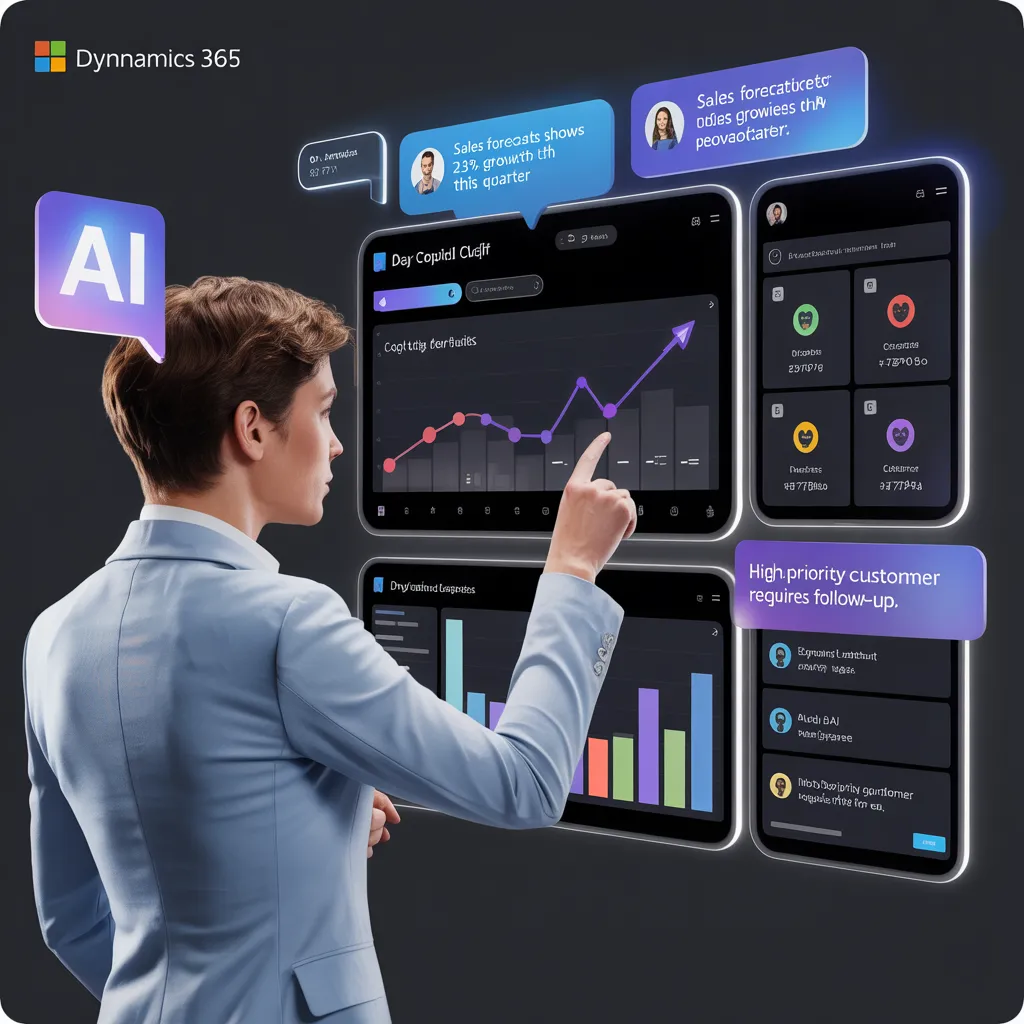
Microsoft’s Dynamics 365 represents a fundamental evolution in enterprise software. It transcends the traditional boundaries of standalone Customer Relationship Management (CRM) and Enterprise Resource Planning (ERP) systems, offering a modular, cloud-first suite of connected applications that work together as a unified intelligence engine for the entire organization.
The Core Paradigm Shift: From Silos to Synergy
Traditional business systems often create data silos—sales doesn’t fully see service history, finance operates on different data than supply chain. Dynamics 365 is built on the Common Data Model, a unified, secure data schema that ensures every application—from Sales and Customer Service to Finance and Supply Chain Management—shares a single, consistent view of customers, products, and operations. This unified data foundation is the key to its transformative power.
Key Components and Capabilities
The suite is modular, allowing businesses to start with what they need and expand:
Customer Engagement Apps: Including Dynamics 365 Sales (intelligent opportunity management), Customer Service (omni-channel support with AI suggestions), Marketing (journey orchestration), and Field Service (intelligent scheduling and remote assist).
Finance & Operations Apps: Including Finance (real-time global financials), Supply Chain Management (predictive insights for logistics), and Commerce (unified commerce experiences).
The Power of Embedded AI (Dynamics 365 Copilot): This is a game-changer. AI is woven directly into workflows across all apps. Copilot can draft contextual email responses for service agents, generate sales meeting summaries, predict inventory shortages, or uncover hidden trends in financial data, turning raw data into actionable insights and boosting employee productivity.
Native Integration: The Microsoft Ecosystem Advantage
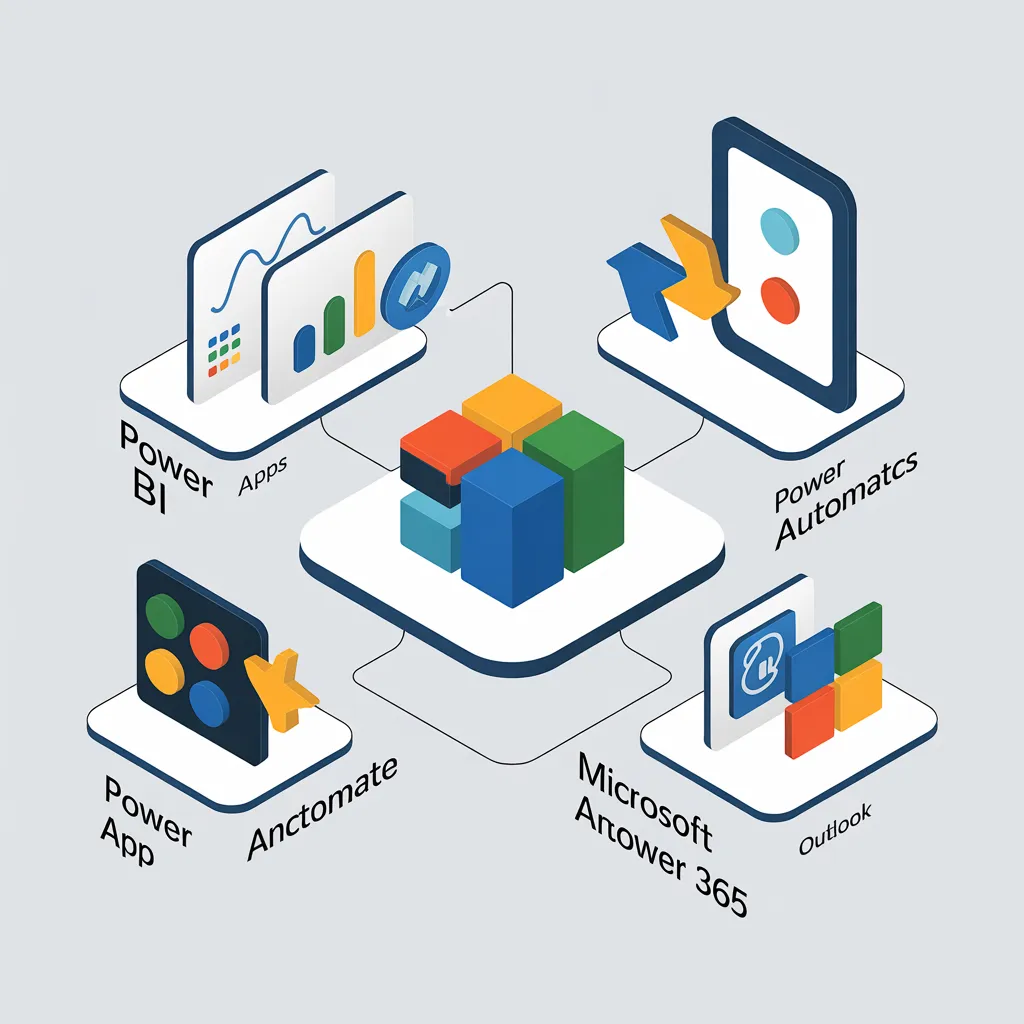
Dynamics 365 doesn’t exist in a vacuum. Its deep, native integration with the Microsoft 365 suite (Teams, Outlook, Excel, SharePoint) and the Power Platform (Power BI, Power Apps, Power Automate) creates an unparalleled productivity flywheel.
View and update CRM records directly within Microsoft Teams meetings.
Use Power Apps to build custom, low-code apps that extend Dynamics 365 using the same unified data.
Create automated workflows with Power Automate that connect Dynamics to hundreds of other services.
Build rich, interactive dashboards in Power BI from live Dynamics data.
Benefits: Why Organizations Are Making the Shift
360-Degree Customer View: Break down departmental walls to see the complete customer journey.
Agility and Scalability: As a cloud-native solution, it scales with your business and updates seamlessly.
Data-Driven Decision Making: Move from intuition-based to insight-based decisions with embedded analytics and AI.
Reduced Total Cost of Ownership (TCO): A unified platform reduces integration costs, data management overhead, and IT complexity.
Empowered Employees: Tools like Copilot handle routine tasks, freeing staff for higher-value, strategic work.
Who Is It For?
Dynamics 365 is versatile, serving mid-sized businesses to large global enterprises across industries like manufacturing, retail, professional services, and non-profits. Its modularity means a fast-growing startup can implement Sales Hub, while a multinational corporation can run its entire global operation on the full suite.
Challenges and Considerations
Adoption requires careful planning. Businesses must be prepared for process re-engineering to match best practices, invest in change management and user training, and develop a clear data migration and integration strategy. Choosing the right mix of apps and licensing can also be complex.
Conclusion: The Intelligent Operations Platform for the Modern Era
Dynamics 365 is more than software; it’s a modern business operating system. By unifying applications, data, and intelligence on a single platform integrated with the tools employees use every day, it enables organizations to be more resilient, customer-centric, and agile. In an era where the pace of change is relentless, Dynamics 365 provides the connected intelligence businesses need to not just adapt, but to lead. It represents the future of integrated, intelligent business management.
- Recent Post